
What exactly is the Sainte-Catherine red-light district in Montreal?
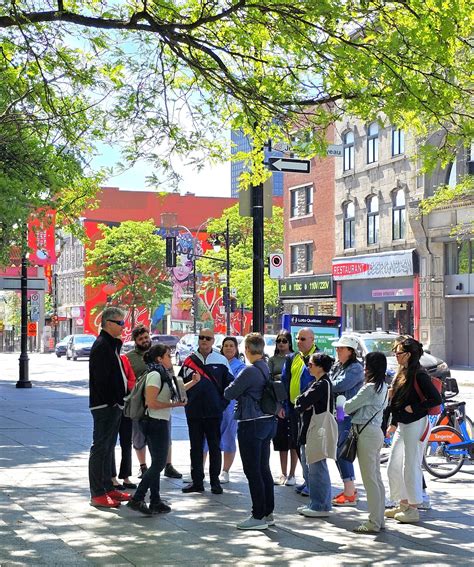
Sainte-Catherine Street’s red-light corridor stretches roughly between Saint-Laurent and Saint-Denis. Historically tied to adult entertainment, its modern form blends sex shops, strip clubs, and blurred commercial boundaries since Canada’s prostitution laws shifted in 2014. But the area isn’t some Amsterdam-style zone – it’s fragmented, contested, hiding behind neon-lit facades.
Montreal’s reputation for permissiveness stems from the 70s, when lax enforcement turned this stretch into a haven. Walk it today and you’ll find vape stores sandwiched between peep shows, students spilling out of bars past midnight rubbing shoulders with discreet bouncers. The “red-light” label persists more as branding than reality. Think licensed massage parlors with blacked-out windows, not streetwalkers. Government pressure in the 2000s dispersed overt activity.
How does Sainte-Catherine compare to other global red-light zones?
Nothing like De Wallen’s centralized cabins or Bangkok’s go-go bars. It doesn’t even match Toronto’s Yonge Street pre-cleanup. More…Canadian. Policed but tolerated, low-density, camouflaged within ordinary nightlife. Clubs like Kamasutra or Super Contact operate legally under provincial licensing but face zoning battles. Police react quicker to noise complaints than vice here.
Is prostitution legal in Quebec’s red-light district?
Technically no. Selling sex isn’t criminalized, but buying it is – thanks to Bill C-36. “Communicating for the purpose” remains illegal too. This contradictory “Nordic model” forces everything underground. You won’t find open solicitation on Sainte-Catherine. Just whispers, online ads, and fronts like “sensuality studios” offering $200/hour “companionship.” Authorities mostly turn a blind eye if nobody complains.
The decriminalization push resurfaces every election cycle. Until then, workers use loopholes: independent online ads, encrypted apps, boutique agencies labeling services as “social escorts.” Enforcement is uneven. Cops prioritize trafficking rings over consenting adults. But recent raids remind everyone of the grayness.
What laws regulate escort services near Sainte-Catherine?
Escort agencies must register as hospitality businesses. No direct mention of sexual services – illegal. Workers operate as contractors, paying taxes on companionship fees. Police routinely audit books to catch money trails for “extras.” Agencies get shut down if evidence surfaces of sexual exchange pricing. So solos dominate now. Safer for everyone? Maybe. More fragmented? Absolutely.
Where do people find sexual partners near Sainte-Catherine?
Grindr and Tinder rule hookup culture here. Tourists sometimes stumble into Taboo or Club 281 strip clubs thinking they’re brothels. They’re not – though private dances might escalate off-site. For paid encounters, locals use Leolist.cc or Eurogirlsescort.com. Ads rarely specify Sainte-Catherine addresses – meetings happen in downtown hotels or private lofts. Street propositions? Nearly extinct since 2013 police crackdowns.
How to spot potential scams or unsafe providers?
Red flags: deposits demanded upfront, blurry photos, prices far below $300/hour average. Use review boards like MERB (Montreal Escort Review Board). But even those get infiltrated by fake testimonials. Better advice: trust gut instinct, meet first in public, avoid seedy motels near Gare Centrale. Maybe don’t go alone. Stories circulate of clients drugged in “massage” sessions.
Are Sainte-Catherine’s adult venues welcoming to tourists?

Strip clubs thrive on visitor dollars. Big venues like Wanda’s present glossy Vegas-style shows. But smaller cabarets resent foreigners expecting sex on-site. Rules vary: some allow gentle touching during dances, most prohibit it. Cultural barrier – Anglophones misinterpret Franco-friendly banter as proposition. Tip well, don’t assume workers want off-duty drinks. They’re professionals.
What should women or LGBTQ+ visitors expect?
Quebec’s progressive streak shows here. Women frequenting clubs face less stigma than in conservative regions. Gay bars concentrate nearby but not directly on Sainte-Catherine’s red-light stretch. Unity (a block east) hosts inclusive drag nights. Trans workers report mixed treatment – some agencies welcome them, others discriminate covertly.
Has the district’s character changed post-COVID?
Devastated initially. Lockdowns closed iconic spots like Café Cleopatre permanently. Post-pandemic, sketchy massage parlors multiplied while high-end clubs struggle. Tourists returned faster than locals – creating an imbalance. Rising rents push sex workers further east into Hochelaga. Some say the soul’s gone. Others note street artists reclaiming alleys with murals mocking gentrification.
Do residents oppose the red-light activities?
Opinions split. Older Quebecois remember violent biker gang control and want cleanup. Young creatives advocate harm reduction zones protecting workers. Recent condo towers bring NIMBY protests about nighttime noise, not morality. City council waffles. A 2022 proposal to concentrate adult businesses got shelved after activist backlash. So the chaos continues, beloved and despised.
How do police handle complaints in the area?

Prioritization hierarchy: trafficking cases top, then public disturbances, minor drug offenses last. Johns rarely get stings unless media pressure mounts. Workers report crimes at lower rates than other neighborhoods – fear of deportation or stigma silences many. Advocacy groups provide anonymous hotlines now. Still, if you’re assaulted or robbed, expect a sluggish response. Resources stretch thin.
Are undercover operations common here?
Periodic sweeps occur near schools or festivals. Officers pose as buyers to catch underage trafficking victims, not consenting adults. Plainclothes cops might loiter near known pickup zones. Best advice? Don’t proposition strangers outdoors. Online arrangements draw less heat. Even then, wiretapping busts happen – a Parc-Extension massage parlor got raided last month using encrypted chats as evidence.
What cultural factors shape Montreal’s approach to sex work?
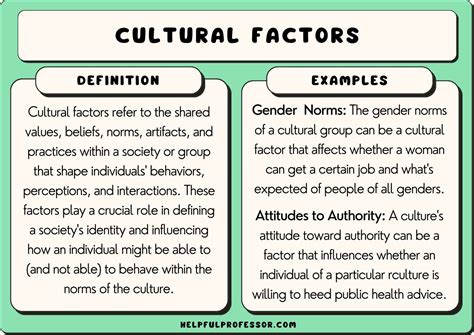
Francophone vs. Anglophone attitudes clash subtly. Francophones historically view sex as personal choice; Anglophones lean Puritan. Provincial health agencies distribute condoms to workers while federal laws criminalize clients. Church influence waned faster here than elsewhere in Canada. Yet hypocrisies linger – politicians decry exploitation while discreetly patronizing elite clubs.
How does Quebec’s red-light culture differ from Ontario’s?
Toronto sanitizes, Montreal mythologizes. Ontario enforces stricter zoning; Quebec tolerates scattered venues if taxes get paid. Language isolates Montreal’s scene – Francophone forums dominate review ecosystems. Less migrant worker controversy here too. But increasing cross-province competition exists. Calgary’s oil money lures top performers westward.