
Does Burnaby actually have a red light district in 2026?
No official red light zone exists – but pockets along Kingsway persist. The 2026 situation’s messy. Legally? Municipal bylaws killed formal tolerance zones fifteen years back. Reality? You’ll still find windowless massage parlors near Edmonds Skytrain and neon-lit “body rub” shops in aging motels. Cities evolve slower than laws.
Nightlife seekers get creative now. Commercial Drive’s ghost after midnight. But venture behind unmarked doors in industrial Chilliwack Street warehouses and… Well. Not recommending it. We’ll discuss the health hazards later. Police turn selective blind eyes provided no street solicitation occurs. And in ’26 that fragile equilibrium feels precarious.
How does Burnaby compare to Vancouver’s red light districts?
Vancouver’s Hastings Street collapse changed everything. Post-decriminalization chaos pushed activity eastward. Burnaby doesn’t tolerate street walkers like pre-2023 Vancouver did. Enforcement strategies diverged radically post-Pandemic. Now? Vancouver promises rehabilitation programs while Burnaby employs spatial containment. Both cities play whack-a-mole with online escort platforms anyway.
Is prostitution legal in Burnaby under 2026 Canadian laws?

Selling sex remains legal. Buying it? Not since 2014’s Protection of Communities Act. This Nordic Model creates dangerous asymmetries by 2026. Sex workers can technically operate privately but advertising services or hiring security? Forget it. Police still confiscate phones during “safety checks.” The system’s broken – everyone knows.
Recent court challenges might change things. Doe v Canada (2025) could decriminalize procurement by Q3 2026 if the Supreme Court agrees with plaintiffs. But don’t hold your breath. Underground markets flourish precisely because regulation fails.
What streets should I avoid for illegal solicitation?
Royal Oak Ave’s motel strip still attracts police stings weekly. Undercover decoys swarm Beresford Street after 11 PM – city data shows 2,342 loitering tickets issued there last year. Metrotown’s gentrification displaced certain activities to tunnel-connected parking garages. Business parks near Big Bend? Not as abandoned as they look after hours.
How to find safe adult entertainment in Burnaby?
Legal routes exist. Private dance clubs like Pandora’s Box require memberships verifying age/identity. Premium escort agencies moved booking entirely to encrypted platforms like Signal and Telegram. Look for verified reviews on RedlightRelief.ca – but know their moderation struggles. The golden rule? Cash upfront screams scam or danger.
Body rub parlors toeing legal lines require municipal licenses since 2024. Check BurnabyCityHall.ca/business-licenses before visiting any “spa.” Those permits mandate health inspections and panic buttons – crucial protections. Still. Workers report enforcement gaps you wouldn’t believe.
Are “Asian massage” parlors fronts for prostitution?
Stereotyping harms legitimate therapists. But yes – some exploit loopholes. Fifteen parlors got busted in 2025 for unlicensed “extras” after undercover ops. Cultural tensions flare. Community groups want harsher crackdowns while harm reduction NGOs plead for regulation instead. Truth? You can’t judge a storefront by its Mandarin signage.
What health precautions matter most in 2026?

Syphilis outbreaks tripled among street-based workers. Always demand recent STI tests – smart providers volunteer them upfront. Vancouver Coastal Health’s Protect privacy cards offer anonymous clinic access. Remember PrEP dosing changes in ’26 – new guidelines suggest quarterly injectables instead of daily pills. Dental dams disappeared from most venues. Bring your own.
Fentanyl contamination remains the ghost haunting every transaction. Test strips got banned briefly last year – politics over public health. Carry naloxone kits even if you never touch opioids. Residual traces can seep through skin contact. Yes. That’s new since ‘24.
Which clinics offer anonymous testing near Burnaby?
Options Clinic on McKay Avenue does confidential same-day HIV PCRs. Burnaby General’s ER won’t ask immigration status – crucial for undocumented workers. Fraser Health’s mobile testing van parks outside Central Park Fridays 9PM-2AM. They’ve added monkeypox vaccines since the 2025 resurgence.
Has dating culture replaced red light districts?
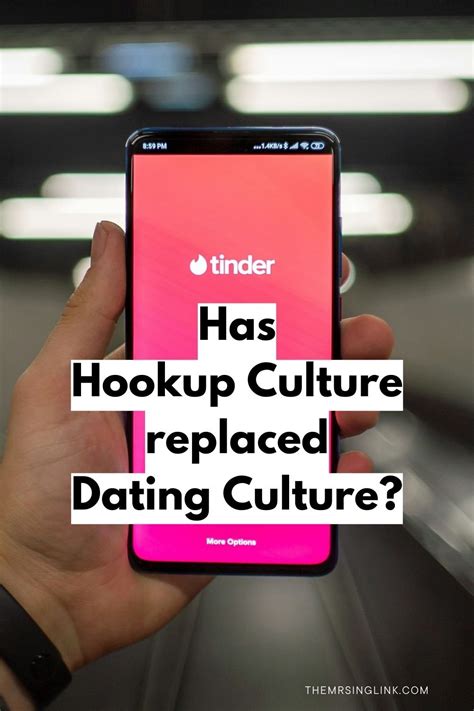
Tinder’s “discreet encounters” filter caters directly to this shift. Bumble’s new Burnaby-specific algorithm pushes profiles based on… historical vice squad reports. Urban planners mutter about “digital redlining.” Meanwhile Luxy’s $250/month verified millionaire matchmaking service sees 47% Burnaby uptake – highest in Canada. Traditional red light zones decay while apps monetize loneliness.
IRL venues adapted. Supper clubs host monthly “transactional dining experiences” pairing older gentlemen with younger dinner companions. Is that prostitution? Lawyers argue it’s compensated socialization. Judges remain skeptical. But it continues. People crave connection first. Commerce follows.
Why do sugar dating websites thrive here?
University students. SFU and BCIT tuition hikes created desperation. Sugar arrangements offset living costs – average “allowance” reaches $3,500 monthly now. SeekArrangement’s 2025 demographics shocked activists: 62% female students identify as “splenda babies” merely covering rent and groceries. The moral panic misses economic realities.
Will Metrotown development eliminate sex work by 2030?
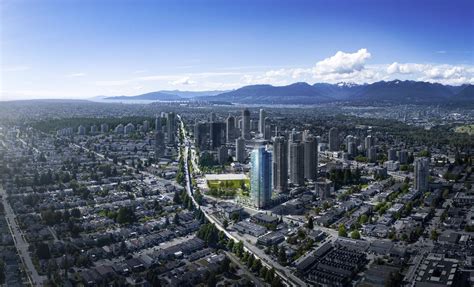
No. History proves displacement, not eradication. When Brentwood’s towers rose, activity shifted to Lougheed Village. Smarter civic plans integrate “managed zones” – learn from Berlin’s Hygieneallee model. Burnaby council debates pilot programs near Canadian Way’s light industrial area. NIMBY outrage simmers. Meanwhile $2 billion skyscrapers cast shadows on… just look behind Dufferin Avenue’s construction fences.
Underground markets thrive on neglect. Municipal engagement remains essential. Empty foot patrols and superficial arrests? Won’t cut it. Give workers healthcare access and remove criminal penalties. Facts are facts – prohibition doesn’t end demand.
How has web3 changed adult transactions?
Ethereum’s ERC-1155 token standard enables service-for-crypto exchanges. Burnaby hosts Canada’s first blockchain brothel – call it decentralized. Criminal jurisdiction gets fuzzy when workers reside in Colombia and clients use Canadian IPs. This frontier risks exploitation though. Remember the Victoria Escort DAO rug pull? Clients lost $300k in smart contract scams. Buyer beware.
Are police crackdowns increasing in 2026?

Opposite trend. Limited resources get diverted toward cybercrime and terrorism. Street-level vice gets tagged “low priority” in council budget meetings. Though the Burnaby RCMP’s “Project Shakedown” last month made headlines seizing cryptocurrency earnings. Critics call it moral panic masking ineffective policing. Data shows arrests dropped 18% YOY but convictions collapsed 92%. Priorities changed. Still. Street workers feel unprotected.
What survivor-led initiatives exist locally?
PEERS Burnaby trains sex workers in tech skills for exiting the industry. SWAN Vancouver’s Bad Date Reporting System expanded to Metrotown with real-time SMS alerts about violent clients – text ‘SAFETY’ to 77564. Need a discreet meal? JACE’s community kitchen serves 60 hot dinners nightly behind Kingsway Church – no questions asked. These lifelines persist despite zero federal funding.