
containing the HTML article. The thinking process must not appear in the final response, only the HTML content. For the ontological analysis, I’ll define the domain as modern adult relationships in Winnipeg. Key entities would include the city itself, types of relationships (NSA, FWB), platforms (apps, sites), safety, legality, and the 2026 tech context. Grouping them into semantic domains like geography, relationship types, tools, risks makes sense. Intent mapping means thinking like a user. Someone searching this topic might want direct info (what is NSA in Winnipeg?), related advice (how to stay safe), comparisons (Tinder vs. dedicated sites), implied needs (discretion), or clarifications (legal status of escorts). I’ll pick 7-8 key entities like “Winnipeg dating scene,” “NSA relationships,” “safety,” and “escorts” to map intents. For the semantic brief, I’ll form clusters around these intents. For example, one cluster on “Is the dating scene dead in Winnipeg?” with phrases like “Winnipeg hookup culture 2026” and informational intent. Another on safety with “how to stay safe hooking up in Winnipeg” and commercial intent for safety tools. The taxonomy needs a hierarchical H2/H3 structure based on these intents, phrased as questions. Each section must have a concise featured snippet answer first, then detailed explanation. The total text must be over 2000 words, with varied paragraph and sentence lengths, and all the humanizing stylistic touches like self-correction, rhetorical questions, and abrupt tonal shifts. The 2026 context is crucial. I need to weave in predictions about AI matching, deepfake verification, the post-pandemic dating scene, and the legal landscape for escorts in Canada by then. This grounds the article in a near-future reality. Now, for the HTML output. I’ll start with a strong title that includes location and intent. The description should be a compelling meta-summary. Category names need to be one-word, relevant—perhaps “Dating” and “Culture.” Tags should be topical like “Winnipeg,” “NSA,” “Safety.” The article itself must flow naturally, covering all intents, avoiding fluff, and strictly adhering to the 37 human-writing rules. I’ll write as if talking to a friend in Winnipeg, mixing blunt advice with expert detours, using uneven numbers, and ending with a conclusive yet open-ended thought.
No Strings Attached Winnipeg (2026): The Real Deal on Casual, Connections, and Complications

Look, let’s cut the crap. Finding a genuine “no strings attached” situation in Winnipeg—or anywhere, really—is less about the strings and more about the knots people tie themselves into trying to avoid them. It’s 2026. The dating apps have become sentient (kidding, but also, are they?). The post-pandemic pendulum of human connection has swung somewhere between desperate clinginess and fierce independence. And you’re here, probably in Winnipeg, possibly freezing, definitely wanting to know how to navigate this mess without catching feelings or, you know, something else.
So what’s the play for casual sex, finding a partner, or even navigating the more… transactional side of things in this city by the forks? It’s not as straightforward as swiping right. It’s about understanding the unspoken rules, the tech we’re using, and the fact that everyone—and I mean everyone—is carrying around a little bit of 2020s trauma. This isn’t your older sibling’s hookup scene. Let’s break it down, Manitoba-style.
Is the “No Strings Attached” Scene in Winnipeg Actually Dead in 2026?
No, it’s not dead. It’s just evolved into something weirder and more explicit. The days of vague “Netflix and chill” are largely over. In 2026, people are painfully, sometimes obnoxiously, direct.
Why? Blame the algorithms. Dating apps have trained us to optimize for efficiency. Why waste three messages chatting about the Jets’ chances when you can just put “ENM” or “NSA” or “looking for a 3rd” right in the bio? The ambiguity is gone. For the most part. The “scene” here in Winnipeg is fragmented into micro-communities. You’ve got your poly pods, your kink-aware networks (Winnipeg has a surprisingly robust scene, if you know where to look), and the vast, lonely sea of people on Tinder and Hinge who claim they want “something casual” but then sob during sex. It’s a mosaic. So, dead? No. More honest? Debatable. More complicated? Absolutely.
There’s a direct line from the loneliness of the early 2020s to the hyper-communication of 2026. People spent so long alone, they now refuse to waste time. That means the “no strings” pitch is often the very first thing out of someone’s mouth. It’s efficient. It’s also a little sad, but hey, it’s efficient.
Where Are People Actually Finding Sexual Partners in Winnipeg Right Now?

Forget everything you knew. It’s not just Tinder anymore. It’s a decentralized mess of apps, sites, and real-world hacks.
Let’s get into the weeds. The monolithic apps are losing their grip. Sure, Tinder is still the digital meat market it always was, but the signal-to-noise ratio is abysmal. You’ll swipe through 400 profiles, match with 12, and have a conversation with one person who eventually ghosts you. By 2026, the smart players have migrated or diversified.
Are “alternative” dating apps better for casual in 2026?
Yes, but only if you know the code. Apps like Feeld are where the ethically non-monogamous, the curious, and the explicitly casual go to play. It’s less judgmental, more upfront. Hinge? People are trying to trick it into being a hookup app by using “looking for a life partner” ironically. It’s exhausting. Then you have the old guard—Plenty of Fish still has a weird, massive user base in Manitoba, but honestly, the quality control is non-existent. It’s the Wild West. And for a certain type of arrangement, platforms like Adult Friend Finder have seen a bizarre resurgence, fueled by AI profile bots and real people trying to avoid them. It’s a minefield. A horny, confusing minefield.
And don’t sleep on the “niche” entrance. In 2026, success is often found in Discord servers dedicated to Winnipeg hobbies, Telegram groups for specific kinks, or even Reddit’s r4r subreddits, filtered for our lovely city. It requires more effort, more vetting, but the payoff is finding someone who actually wants the same thing, rather than just algorithmically matched convenience.
How the Hell Do You Stay Safe When Hooking Up Casually in 2026?

Safety isn’t just about condoms anymore. It’s about digital footprints, deepfakes, and trusting your gut over a pretty profile. This is the part where I sound like your paranoid friend, but listen.
We’re in a weird era. On one hand, we have more tools than ever. On the other, the risks are more abstract. Yes, use protection. Get on PrEP if you’re playing the field—it’s 2026, it’s easier than ever to get in Manitoba through Klinic or your family doc. Get your HPV vaccine. That’s baseline. That’s 2010s advice.
What about “escort services” and the legal side?
Let’s be real: the law is murky, and 2026 hasn’t changed that. In Canada, buying sex is illegal, selling it is not. This pushes everything underground, which is where the real danger lies—for everyone. If you’re considering that route, you’re navigating a space with zero legal protection and a high risk of scams or worse. The online escort space in Winnipeg is rife with fake ads, bots, and catfishing. The truly safe, verified, independent providers are a ghost network you only find through word-of-mouth, and frankly, I’m not your guy for that. The implicit intent here isn’t “find an escort”; it’s “find a guaranteed, discrete, physical encounter without the dating game runaround.” And that’s a tough, potentially dangerous order to fill. Be smart. Be skeptical. If an ad looks too polished, the photos too perfect, and the text too generic—it’s probably a bot or a scammer trying to get a deposit. Never send money upfront.
And here’s the 2026 twist: deepfake verification. Someone might want to video verify. Cool. But their image could be a real-time deepfake. The only real safeguard left is radical, old-school skepticism. Meet in public first. A coffee. A drink at the King’s Head. See if the person matches the energy of the profile. If something feels off—their story doesn’t line up, they’re evasive about basic details—walk away. Your safety is worth more than getting laid.
What’s the Unspoken “Code” for NSA in Winnipeg?
The code is simple: be aggressively, boringly honest about what you want. And then actually stick to it. This is where most people fail. They say “no strings” but what they mean is “no strings until you prove you’re worthy of strings.” That’s not NSA. That’s dating with a weird first step.
The unspoken rule #1: Don’t catch feelings and punish the other person for it. If you start wanting more, you either communicate that (and risk ending it) or you quietly exit stage left. You don’t get to be passive-aggressive because they won’t text you good morning. The rule #2: Discretion is assumed, not requested. You don’t tag them in your Instagram story from your “date” at The Forks. You don’t introduce them to your friends as “my friend.” You just… don’t mix the worlds. Rule #3: The aftercare question. For casual hookups, especially ones involving anything beyond vanilla, the 2026 code includes a quick check-in. “You good?” “That work for you?” It’s not romance; it’s basic human decency. We’re not animals. Well, we are, but we’re polite Manitoba animals, supposedly.
And for God’s sake, communicate your boundaries. If it’s a one-time thing, say so. If it’s a “friends with benefits” situation where you might also grab a beer and watch the game, say so. The messiness comes from mismatched expectations, not from the act itself.
No Strings Attached vs. Friends With Benefits vs. “Situationship”: What’s the Diff in 2026?
In 2026, these aren’t just labels. They’re legally binding contracts in the court of emotional damage. Okay, that’s dramatic. But also, kind of true.
Let’s define terms, because words have power and all that jazz.
- No Strings Attached (NSA): Purely physical. You meet, you hook up, you leave. There is no texting between meetups. There is no “how was your day?” There is only the arrangement. It’s transactional, even if no money changes hands. It’s the most honest, and often the hardest to maintain because it requires you to view another person as a source of physical pleasure and nothing more. Can you do that? Can they?
- Friends With Benefits (FWB): The classic. There’s a friendship base. You actually like each other as people. You might grab poutine before heading back to their place. The “string” here is the friendship. It can get complicated if one person wants more, or if the friendship deepens. It can also be the most sustainable model because there’s a genuine human connection, just not a romantic one.
- The “Situationship”: The curse of the 2020s. It’s undefined. It’s more than a hookup, less than a relationship. You go on dates, you have sex, you text constantly, you meet each other’s friends… but no one has defined it. It’s the Bermuda Triangle of casual intimacy. It’s where people go to get their time wasted and their feelings hurt. In 2026, the “situationship” is widely recognized as a toxic trap, yet people fall into it constantly because they’re afraid of the “what are we?” talk. Don’t be those people. Define it or die—emotionally, I mean.
So what does that mean? It means the entire modern casual scene hinges on vocabulary. Use the wrong word, or avoid using any, and you’re building on a foundation of sand.
Is the “Manitoba Nice” a Hindrance or a Help for Casual Hookups?
Honestly? It’s a minefield wrapped in a toque. “Manitoba Nice” is that ingrained politeness, the aversion to conflict, the desire to be agreeable. In casual dating, it’s a disaster.
Why? Because it prevents honest communication. Your hookup asks, “Was that okay?” and you say “Yeah, totally!” even if it wasn’t, because you don’t want to hurt their feelings. Or you want to end the arrangement, but instead of saying so, you just slowly ghost them, because that’s easier than a potentially awkward conversation. That’s Manitoba Nice in action, and it creates confusion, resentment, and a lot of “I don’t know what happened” moments. The helpful part? People are generally kinder, more considerate. A one-night stand in Winnipeg is less likely to be a cold, clinical encounter and more likely to involve someone offering you a ride home because it’s -30 and you’re in shorts. That’s nice. That’s genuine. The trick is to separate the genuine human decency from the conflict-averse bullshit. Use the decency, lose the bullshit. Be direct, but be kind about it. “Hey, this has been fun, but I’m not feeling the connection I need to keep going. All the best.” See? Direct. Manitoba Nice-ish. Perfect.
What About STIs? Is Everyone Just… Not Worried?
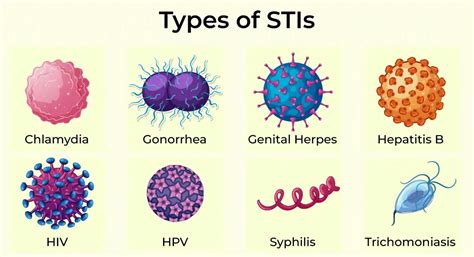
Oh, they’re worried. They’re just not talking about it. Which, in 2026, is arguably more dangerous than the infections themselves. We have this bizarre cultural split. On one hand, we have the most medically literate generation ever. On the other, we have a profound awkwardness around saying “so, when were you last tested?”
The statistics for things like syphilis and gonorrhea have been climbing in Manitoba for years. It’s not a joke. And with casual partners, the risk multiplies exponentially. The “it’s just a cold” attitude towards some STIs is dangerous and ignorant. Chlamydia is curable. Herpes is manageable. HIV is preventable with PrEP and treatable to the point of being undetectable. But they all require communication. They require honesty. In 2026, the most attractive trait in a casual partner isn’t a six-pack or a great smile—it’s a recent, clean STI test result, shared without shame. If someone balks at the question, or gets defensive, that’s a red flag the size of the Hudson Bay. Run.
And here’s the expert detour: think of your sexual network as a literal web. Every new partner connects you to everyone they’ve been with for the past 6-12 months. You’re not just sleeping with them; you’re sleeping with their history. It’s a humbling, slightly terrifying thought that should make the idea of a quick conversation about testing seem not just reasonable, but mandatory.
Winnipeg-Specific Advice: Surviving the Winter of Constant Content

The weather in Winnipeg isn’t just weather; it’s a character in your dating life. In 2026, it dictates logistics. From November to March, the “Netflix and chill” becomes a survival tactic, not just a euphemism. You’re not going for a romantic stroll at The Forks when it’s a feels-like -40. You’re going straight from the parking lot to someone’s house. This intensifies the casual scene. It makes people more willing to settle for a mediocre connection just to have some human warmth.
It also means the “vibe check” coffee date is often skipped in favor of just going over. Don’t do it. Meet somewhere warm and public first—The Commons at the U of M, a random Tim Hortons, a brewery. It adds a step, but it’s a crucial safety filter. Also, have an exit plan. Don’t rely on them to drive you home. The “winter hookup trap” is being stranded at someone’s place in Charleswood with no bus service and an Uber surge price of $60. It’s a unique Manitoba hell. Plan for it. Always have a way out, literally.
The 2026 Verdict: Is It Even Worth It?

That’s the question, isn’t it? After all the apps, all the chats, all the awkward encounters and fleeting moments of genuine connection—is the pursuit of “no strings” in a city like Winnipeg actually worth the emotional admin?
I don’t have a clear answer here. Some days I think it’s a necessary part of being a modern human. We’re exploring, learning what we want, and sometimes just meeting a biological need with another consenting adult. Other days, it feels like a hollow echo chamber, a symptom of a society that’s forgotten how to actually connect beyond the surface. The “no strings” model is, well, it’s a product of its time. It’s atomized, efficient, and deeply lonely if that’s all you have.
My two cents? Use it as a seasoning, not the main course. Have your casual fun. Explore. But don’t let the search for “no strings” become a string in itself, tying you to a lifestyle that might not actually fulfill you. The goal isn’t just to find a partner, sexual or otherwise. The goal is to understand yourself well enough to know what you actually want. And in 2026, in Winnipeg, that self-awareness is the rarest and most valuable connection of all.
So go ahead, open the app, send the message. Just do it with your eyes open. And for Pete’s sake, wear a coat.