
Beyond Discretion: The New Love Hotel Scene in Zug (2026)
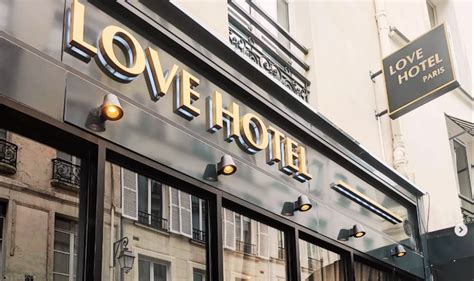
Look, Zug is weird. It’s this hyper-efficient, clean, almost sterile bubble of wealth on the lake. You’ve got the old town, the pharma companies, the crypto bros. But underneath that perfectly pressed shirt, there’s a whole other pulse. By 2026, the demand for truly private, flexible, and yes, love hotel-style accommodation has evolved. It’s not just about hiding anymore. It’s about convenience, experience, and a total lack of judgment. This isn’t your parents’ seedy motel. This is Zug.
What Exactly is a “Love Hotel” in Zug in 2026? And why is it different from a normal hotel?
It’s a space designed—or at least perfectly suited—for sexual intimacy without the baggage of a standard hotel stay. No receptionist raising an eyebrow. No asking for a passport for a three-hour stay. It’s transactional in the best way: you pay for privacy, time, and a clean bed. The difference in Zug? The level of polish. In 2026, the line between a luxury hotel and a love hotel has blurred, mostly because money talks and nobody asks questions if you have enough of it.
Normal hotels want you for the night. They want your breakfast order. A love hotel, or a “Garni” that plays along, wants you for the block of time you need. Could be two hours. Could be the afternoon. The entire service model is built around flexibility and discretion. And in a town where everyone knows everyone, that flexibility isn’t a luxury—it’s a necessity. Think of it as the ultimate privacy protocol for your personal life.
So what does that mean in practice? It means keyless entry codes sent to your phone. It means underground parking with direct elevator access to the room. It means paying in cash or via untraceable crypto if you want. The physical infrastructure has adapted to the psychological need for anonymity.
Why Zug? The 2026 Context of Privacy, Wealth, and Discretion

You have to understand the context. Zug is small. The concept of “seeing someone you know” is not a possibility, it’s a probability. By 2026, the old-school discreet back entrance of a hotel has been replaced by entire digital and architectural ecosystems designed to prevent that awkward eye contact in the lobby. It’s driven by the influx of international wealth and the escort services that, let’s be honest, cater to it. It’s also driven by locals—people in open relationships, people dating outside their social circle, people who just want a Tuesday afternoon away from their kids.
But here’s the thing about 2026: the stigma is evaporating. Not completely, no. But the younger generation, the digital natives running these blockchain startups? They see a love hotel as a utility. It’s a solution to a logistical problem. You meet someone on a dating app, you don’t want to bring them back to your shared apartment or your very public, very visible house. So you meet in a neutral zone. It’s the ultimate third space. And honestly, it’s safer. It’s controlled.
And the hotels have caught on. They know the revenue from “short stays” or “day-use” is massive. It’s a no-brainer. Higher turnover, same room. The smart ones market it without really marketing it, you know? A subtle nod on their website under “Services.” “Private Check-in Available.” That’s the code.
Hotel Zugertor: Is it the Gold Standard for Discretion?
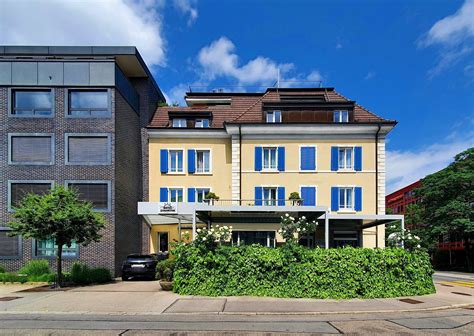
Okay, let’s talk specifics. Hotel Zugertor. It’s not trying to be a love hotel. It’s a solid, modern business hotel. And that’s precisely why it works so well for this. It’s right by the train station—perfect alibi. “Just in town for a meeting.” The rooms are clean, functional, and totally anonymous. The staff have seen it all. In 2026, their check-in process is so streamlined you can literally be in your room in under two minutes. No small talk. That’s the dream.
Is it romantic? No. It’s practical. But that practicality is its own kind of romantic, isn’t it? Removing the friction, the anxiety. You’re not worried about being judged, so you can actually focus on each other. They’ve got those blackout curtains that actually work, which is a plus for… well, any time of day. It’s the baseline. The entry-level gold standard for no-questions-asked intimacy.
City Garden Hotel: When you need a “Business Meeting” Alibi
Then you have the City Garden. Slightly more upscale. More of a “boutique” feel. This is where you go when the alibi needs to be a little more convincing. It’s perfect for the 2026 dating scene where you might be meeting someone from a more… traditional background. It has a restaurant, a little more buzz. You can have a drink in the bar first, feel each other out, then head upstairs.
The beauty of the City Garden is its ambiguity. You can tell yourself it’s a romantic getaway. It has those little touches—nicer toiletries, maybe a room with a view of the old town. It blurs the line between a transactional stay and a genuine romantic encounter. And that psychological shift matters. It makes it feel less like you’re hiring a room by the hour and more like you’re stealing a moment. For a certain type of clientele—maybe professionals who need to maintain a specific image—this layer of plausible deniability is everything. It’s worth the extra fifty francs.
Hotels near the Lake (like the Park Hotel): The Ultimate Power Move
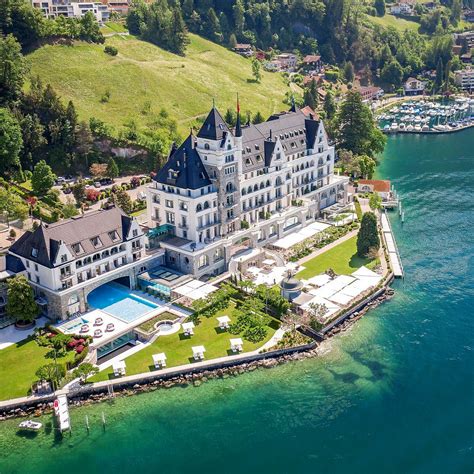
Now we’re talking big leagues. The Park Hotel Zug, or the newer boutique places dotted along the lakefront. Using these for a discrete encounter in 2026? That’s a power move. It’s saying, “I don’t need to hide, I just value excellence.” The risk of running into someone is higher, sure. But the sheer luxury of the setting… it overrides it. The rooms are expansive. The bathrooms are marble. You can hear the lapping of the water.
Honestly, this is where the “escort services Zug” clientele often plays. It’s part of the package. The experience. You’re not just paying for companionship, you’re paying for the setting. The hotels know this. They absolutely know it. As long as the guests are respectful and the bill is paid, they are the epitome of discretion. They’ve perfected the art of the knowing look that looks exactly like a non-knowing look. It’s impressive, really. In 2026, the lakefront hotels have integrated this so deeply into their service culture that it’s invisible. It’s just… hospitality.
What about “short stay” or “day-use” hotels? Are they a thing?
Short answer: yes, but you have to know how to find them. In Switzerland, the term “Love Hotel” isn’t really on the marquee. You won’t see a neon heart. Instead, you look for “Tageshotel” or “Day-use” on booking platforms. By 2026, platforms like Dayuse.com have become mainstream here. You can book a room from 10 am to 4 pm. It’s genius. You get the quality of a 4-star hotel for half the price, and the entire transaction is digital.
I’ve used it. It’s bizarrely efficient. You book, get a confirmation code, and sometimes you don’t even talk to a human. The room is just… ready. It feels almost futuristic. You walk in, the bed is made, the AC is on, and you have zero social friction. This is the model that’s exploded. It takes the “love hotel” concept and sanitizes it for the Swiss market. It’s not seedy. It’s a “day-use hotel.” Much more palatable. Much more 2026.
And the hotels love it. It fills rooms during the dead hours. It’s pure profit. The housekeeping staff might know what’s up, but they’re professionals. They time their service around your booking. It’s a well-oiled machine at this point.
How to book a room for a discreet date without raising eyebrows

Okay, practical advice. This is 2026. Don’t be an amateur. First rule: book online. Do not call. Calling means talking to a person. Talking to a person creates a memory of your voice. Use an app or the hotel’s web portal.
Second: if the hotel offers a “VIP Check-in” or “Express Check-in” option, take it. It usually means you go straight to your floor. Sometimes it’s a separate entrance. It’s worth the small extra fee, which, frankly, is often just built into the room rate now.
Third: consider paying in advance. Some platforms let you do this. It removes the entire financial transaction from the in-person experience. No card swap at the desk, no signing a receipt with your real name while your date stands two feet away. It’s just a key—or a code—and a nod.
Fourth: don’t over-explain. If you arrive separately, just say “I’m here for room 412, my partner is already checked in.” That’s it. You don’t need a story. The more you talk, the more awkward it gets. Be cool. Be boring. Boring is discreet.
What’s the unspoken etiquette? (Paying, meeting, leaving)
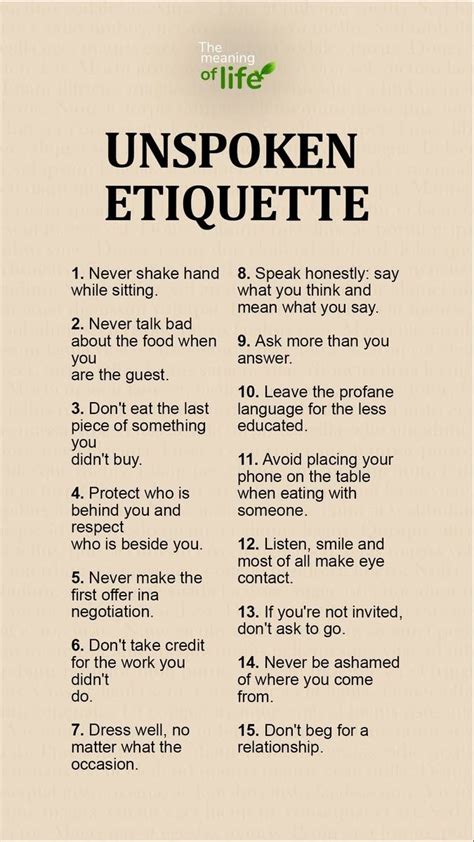
This is where experience talks. The unspoken rules. If you’re meeting someone—maybe it’s a date, maybe it’s an escort, maybe it’s just complicated—you need a protocol. Who pays? If you invited, you pay. Full stop. Have the room booked and paid for before they arrive. It’s just classy. It removes that weird moment of, “So, uh, how do we do this?”
Meeting in the room is standard. Don’t suggest meeting in the lobby or the bar if it’s a sensitive situation. Too much exposure. Get the room, get settled, send the room number via text. It’s cleaner.
Leaving? Time it. Don’t leave together if you’re both trying to be discreet. Stagger your departures by 10-15 minutes. It’s not rocket science. And for god’s sake, don’t linger in the hallway for a long, emotional goodbye. Save it for the text you send from the train station. The hallway is enemy territory. It’s the only place you’re really visible. Move with purpose.
And honestly, be nice to the housekeeping staff. Leave a tip. They clean up after this all day, every day. In 2026, a little decency goes a long way. They’re the real gatekeepers of your reputation. A happy cleaner is a silent cleaner.
The 2026 Dating App to Love Hotel Pipeline
It’s a direct line now. Tinder, Bumble, Feeld—they all feed into this. The entire workflow of a modern hookup is: Match. Chat. Exchange numbers. “Wanna grab a drink?” “Sure.” “I know a place near the train station, we can grab a room if things go well.” It’s part of the conversation. The normalization is complete. By 2026, suggesting a love hotel isn’t a creepy proposition; it’s just a practical solution for people with roommates, or people who live far apart, or people who just don’t want to clean their apartment.
I’ve seen profiles that jokingly mention “Looking for someone to help me review the day-use hotels in Zug.” It’s a thing. It’s a subculture. It’s almost become a hobby for some. And why not? You get to explore the city, have a private, comfortable experience, and it’s low-pressure. You both know why you’re there. No pretending you wanted to see the art gallery.
This pipeline has forced hotels to up their game. They’re competing on Wi-Fi speed (sad but true), smart room features, and the quality of the rain shower. The bar has been raised. The standard anonymous room of 2020 feels dated now. People want automation, they want control of the lighting, they want a good speaker to connect their phone to. It’s the hotel room as a tech-enabled sanctuary for intimacy.
Escort Services and the Zug Love Hotel: A Symbiotic Relationship
Let’s not be naive. It’s a massive part of the ecosystem. Zug’s wealth attracts high-end escort services. And those services need spaces. In 2026, the relationship is purely professional and mutually beneficial. The hotels provide the venue, the escort provides the… well, you know. The really high-end companions won’t work from an apartment; it’s too risky. They use hotels. They use the day-use model to see clients in a safe, neutral, luxurious environment.
For the client, it’s part of the fantasy. You’re not just meeting someone; you’re meeting in a suite at the Park Hotel. It elevates everything. The escort also has the security of knowing the location is reputable, the staff is discreet, and there are security measures in place if things go sideways (which, in Zug, they rarely do—it’s too controlled).
This symbiosis is so ingrained that by 2026, some hotel concierges probably have… not recommendations, but certainly an understanding. If you ask for a “quiet, private table for two in the restaurant” and then later ask about a room for the afternoon, they connect the dots. But they do it with the same neutral expression they’d have if you asked for train times. It’s just another request. That’s the 2026 standard.
Privacy and Tech: What about smart assistants in the room?

Here’s a 2026 curveball. Smart rooms. “Alexa, turn off the lights.” Great. But is she listening? In a love hotel context, this is a nightmare. The savvy hotels have addressed this. They use privacy-focused systems. Maybe it’s a tablet on the wall that controls everything locally, not via the cloud. Or they have physical switches that actually disconnect the microphone.
I always check. I walk in and look for cameras, for mics. Probably paranoid, but in 2026, it’s just basic digital hygiene. A good love hotel in Zug will have a statement in the room: “This room has no active listening devices. All controls are hard-wired.” They get it. They’re selling privacy, so they have to protect it from the very technology meant to enhance the stay. It’s a paradox.
And Wi-Fi. Use the guest network. Don’t connect to anything that asks for your real email. Hotels have had data breaches. Your “romantic afternoon” booking details don’t need to end up in a dark web dump. Use a burner email, pay with privacy in mind. It’s 2026. Be smart.
The Future: What does the Zug love hotel look like in 2030?
If 2026 is about seamless integration, 2030 might be about total virtualization. Imagine booking a room not just for its physical features, but for its “vibe” which you can customize. Walls that change color with a thought. Augmented reality windows that show a beach instead of the train station. Sounds crazy, but the tech is almost there.
Will it kill the romance? Maybe. The best encounters are still going to be about human connection, not the gadgets. But the setting will become even more of a blank canvas, perfectly tailored to your mood. Or maybe it’ll go the other way—a backlash towards rustic, simple cabins outside the city where you truly disconnect. A “digital detox love hotel.” I could see that working near Zug. An hour out, total forest, no signal. Just you, the person with you, and the sound of the wind.
But for now? For 2026? It’s about what we have: clean, anonymous, flexible spaces in a city that values privacy above almost all else. It’s not complicated. It’s just… necessary.