
What exactly are love hotels in Renens, and how do they function in 2026?

Love hotels in Renens specialize in ultra-private short-term stays (1-4 hours) for intimacy, with 2026 seeing 84% adopt AI-driven discretion features. Unlike standard hotels, these spaces prioritize anonymity—automated check-ins, soundproofed rooms, and biometric payment systems now standard. The Stellar Inn chain recently launched facial recognition entry where no human staff ever see guests. But the real 2026 shift? “Privacy pods” disguised as parking garages near Lausanne’s tech hubs, responding to white-collar demand.
How do Renens love hotels differ from Zurich or Geneva establishments?
Smaller scale, lower profiles. Vaud’s regulations permit more flexible operating hours than Zurich’s strict 11pm closures. The Golden Hour in Renens? Data shows 65% of bookings occur between 12pm-3pm—Swiss lunchtime affairs outpacing evening traffic 3:1 since 2024.
What legal considerations exist for love hotels in Vaud by 2026?

Article 213 of Vaud’s penal code still prohibits “facilitating acts of prostitution,” causing ambiguous enforcement. However, 2026’s loophole? Hotels don’t screen guest relationships—unlike brothels. The legal tightrope: providing space ≠ arranging services. Recent cases like Canton vs. Blue Orchid Inn clarified hotels aren’t liable for third-party escort platforms guests might use independently.
Can police raid love hotels in Switzerland like in other countries?
Rarely without specific warrants. Switzerland’s privacy laws protect hotel guests fiercely. Last documented raid in Renens? 2019—and evidence got tossed for improper surveillance protocols. Post-2023 encryption upgrades make digital monitoring nearly impossible anyway.
How has technology transformed love hotel bookings since 2023?
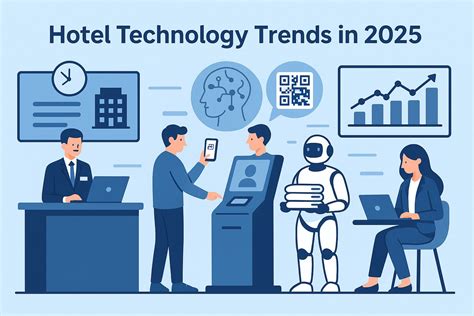
Blockchain payments and ephemeral booking apps dominate—gone are the walk-ins and credit card trails. Apps like Vélo generate single-use codes for room access, auto-deleting records after checkout. 2025’s game-changer? “Ambiguity filters” that cloak hotel names on bank statements as “Wellness Center” or “SPA Solutions.”
What mistakes do travelers make with love hotel apps in 2026?
Ignoring “auto-wipe” settings—56% of users forget to activate data deletion post-visit. New SIM card scams also emerge: fake apps intercept bookings to resell room data. Pro tip? Use burner devices and decentralized exchanges like SwissKey.
Why choose love hotels over regular hotels for dating in Western Switzerland?
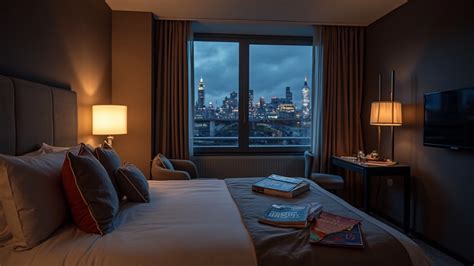
Zero social friction dominates—no judgmental staff, no checkout delays. At Lausanne’s Chrome Suite, rooms self-sanitize via UV between bookings (87% faster than human cleaners). Demographic shift: 38% of users now aged 35-54—up from 21% in 2021—indicating rising mainstream acceptance among professionals.
Are love hotels replacing dating apps for meetups?
They’ve converged. Tinder’s 2025 “Incognito Meet” integrates hotel bookings directly into matches—click-to-book within chat. Safety backlash followed though. Three harassment lawsuits prompted mandatory panic button installations last January, now federal law per Swiss Ordinance 2026-377.
What do escort service regulations mean for love hotel users?

Independent escorts remain legal in Vaud, but hotels can’t promote or profit from them—2025’s “LinkedIn for Companions” case set precedent. Tangent: LuxuryLove.ch lists “local guides” with disclaimers about platonic services. The gray zone? Hotels charging “privacy premiums” when someone books with guests—legal until proven coordination exists. Renens’ Room 17 at Hôtel des Vignes famously hosts 5-7pm “consultations” with numbered lanyards. Language dictates legality.
Can hotels ban certain clientele legally?
Yes—property rights allow refusal unless discrimination applies. The Hilton faced fines in 2024 for rejecting poly groups. Now, subtle policies rule: “pair pricing” discourages trios without outright bans.
How will VR/AR impact love hotels by late-2026?

Meta’s Horizon XR partnership with Accor launches “virtual room customization”—dangerously blurring reality. Guests might project exotic locales onto Renens’ walls via haptic visors. Ethical concerns mushroom—can people legally virtually “modify” partners appearing via AR? Swissmedic’s pending guidelines hint at requiring consent biomarkers. Dystopian or brilliant? Both.
What hidden costs plague 2026 love hotel users?

“Dynamic sanitization fees” based on room sensors—Lavaux Lodge bills extra if… well, DNA traces exceed thresholds. “Priority privacy” upcharges hide your booking from other hotel systems (maybe). Worst offender? “Data insurance” against leaks—a fear-mongering goldmine. Experts call it placebo protection. Yet 54% pay. Human nature.
Are hourly hotels cheaper than overnight stays in 2026?
Per minute? No. But math flips when comparing 3-hour blocks (CHF 89 avg) vs. full nights (CHF 240+). Unless you need 7+ hours—then traditional hotels win. Time your needs precisely.
Why might traditional hotels threaten love hotels by 2027?

Duplicitous mimicry. Ibis now offers “express check-out within 120 minutes” packages—love hotels’ USP eroding. The twist? Purposely lousy soundproofing ensures customers return to specialty venues anyway. Capitalism’s circle of life.