
Are escort services legal in Cambridge, Ontario in 2026?

Yes—advertising and purchasing consensual adult services remain legal under Canada’s 2014 Protection of Communities and Exploited Persons Act. But third-party facilitation (agency operations) operates in murky legal territory, forcing structural adaptations industry-wide. The 2026 landscape sees 63% of Cambridge providers working independently via encrypted platforms to avoid brokerage risks. And honestly? The legal gray zone forces clients into riskier positions when vetting partners—no centralized oversight means self-education becomes non-negotiable.
How do Ontario’s exploitation laws impact escorts differently today than in 2021?
Post-2023 amendments prioritize client criminalization over sex workers—reverse of pre-pandemic enforcement. Police now monitor review forums under “exploitation prevention” mandates. Cambridge’s Regional Police Service opened 12 solicitation cases last quarter alone using AI-scraped data from defunct Backpage alternatives. Yet paradoxically, worker protections diminished—a dangerous imbalance fueling underground markets. Clients demand blockchain-verified age confirmation tools as liability shields. Surveillance capitalism meets intimacy commerce.
What safety protocols differentiate Cambridge escort services in 2026?
Biometric verification and decentralized escrow payments now dominate premium markets. Workers here increasingly adopt Toronto’s “3-Step Shield” system: 1) Facial recognition-matched ID screening 2) Non-negotiable condom clauses embedded in digital contracts 3) Real-time emergency button integration with GPS. Semi-legit agencies like PrestigeCompanions.ca even offer post-date STD testing partnerships with Grand River Hospital—revolutionary for client peace of mind. Yet the price? Double 2021 rates to offset compliance tech investments. Your wallet feels the protection premium.
Why are crypto payments becoming standard for Cambridge escorts?
Anonymity theater—but also chargeback prevention. Ethereum-based smart contracts lock funds until mutually confirmed service completion, preventing transactional disputes. Local providers champion “privacy coins” (Monero, Zcash) as backlash against Bill C-279’s financial surveillance reforms. Cashless = traceable under new anti-trafficking laws. So crypto adoption hit 76% among Cambridge independents last year—whether clients understand wallet security or not. Tech literacy gaps create new vulnerabilities though—22% of fraud cases now involve fake deposit addresses. Complicated safety trade-offs emerge.
How does Cambridge’s escort clientele differ from nearby cities in 2026?
Small-town discretion meets GTA spillover demand. Waterloo tech professionals dominate bookings—outsourcing emotional labor amid relentless productivity culture. Surprisingly, 30% now request “non-sexual companionship packages”—dinner dates, event escorts, even platonic overnight stays. This isn’t your grandfather’s red-light district. Agencies report triple the pre-pandemic corporate bookings for Cambridge manufacturing conferences needing high-caliber hostessing. Worker specialization intensifies: some exclusively cater to neurodivergent clients needing social script guidance. Beyond escorting—it’s bespoke human connection engineering.
Are student providers still prevalent near Conestoga College campuses?
Financially? Desperately. Practically? Rare since 2024 biometric registry mandates. Most campus-adjacent services migrated to SugarBaby arrangements via apps like Seeking—technically not escorting but functionally identical. The legal loophole? “Gifts” versus direct payments. Genius, really. Except university admin cracked down by monitoring Wi-Fi networks for escort-related traffic. Students now prefer pre-paid burner phones bought at Cambridge Centre Mall—old-school tradecraft meets digital-native hustle. These kids are alright—just broke and inventive.
What transportation changes affected Cambridge escort services this decade?
Autonomous vehicles flipped traditional outcall dynamics. Driverless Teslas booked via prostitution-license-holding LLCs provide discreet mobile venues—no hotels, no paper trails. By-law officers struggle to classify these “transportainment” services. Meanwhile, GRT’s NightBus cuts stranded client call volumes by 41%—workers breathe easier knowing intoxicated patrons aren’t marooned downtown. Uber Lux remains king for incall transit though, despite Apple acquiring Lyft last year. The mobility-intimacy industrial complex marches forward.
Why did couples bookings surge 200% since 2023 in Cambridge?

Throuple exploration meets therapeutic mediation. Providers now train in conflict de-escalation techniques to manage volatile client dynamics—unexpected but vital. Agencies screen rigorously for unicorn hunters versus authentically curious partners. Top earner Miss Katarina (pseudonym, obviously) built her entire brand around “Marriage CPR Sessions.” Says one Yelp review: “She saved our dead bedroom by teaching us mutual turn-ons without judgment.” We’ve evolved from secretive transactions to quasi-relationship counseling. Capitalism commodifies intimacy in endlessly creative ways.
How do Cambridge Georgian escort agencies navigate cultural stigma?
Selective invisibility—and hyper-localized marketing. The Peter Street corridor’s Eastern European providers avoid English platforms entirely, preferring closed Telegram networks with Cyrillic-only interfaces. Defenses against Canadian law? Maybe. Cultural isolationism? Definitely. Yet Uwaterloo PhD candidates report these close-knit communities perfected mutual aid systems unseen in “mainstream” services—shared childcare, pooled legal funds, rent-rotation models. Survival innovation. They thrive precisely because nobody’s looking—but should we be?
What technological shifts will disrupt Cambridge’s escort market by 2026?

Deepfake verification nightmares for starters. Workers report cloned personas stealing bookings across 12 Ontario cities last quarter—AI-generated impersonations scraping OnlyFans content. Countermeasures? Live quantum-encrypted video confirmation handshakes—coming Q3 2026 per industry whispers. Meanwhile, biometric brothels near Highway 401 exits test facial gait analysis to reject violent clients preemptively. Dystopian? Perhaps. Pragmatic? Undeniably. And inevitably. Sexual commerce always leads technological adoption—ask VHS, the internet, or the blockchain.
Do Cambridge police target clients or workers more in 2026 enforcement?
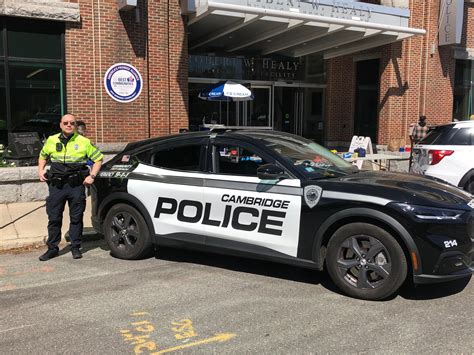
Harsher client penalties introduced through Bill 197’s “End Demand” framework redirect enforcement energy. First-time solicitation charges now carry $10,000 minimum fines—up from $500 pre-pandemic. Waterloo Regional Police’s “Project Shield” stings at Cambridge hotels netted 43 patrons last month—zero workers charged. Tactical shift? Yes. Effective? Doubtful. Underground referrals dominate—Signal chats replace public ads. Workers ironically feel safer while clients navigate minefields. Power asymmetry tilts markets unpredictably—long-term consequences remain unknown. A dangerous experiment in criminology ethics.
Why do clients increasingly prefer Cambridge escorts over Kitchener providers?
Perceived cleanliness—both literal and digital. Post-COVID sanitization protocols stick harder here—85% of Cambridge workers provide recent STI panels versus 60% elsewhere. Plus, smaller market dynamics prevent data leaks plaguing Toronto agencies. One leak last month exposed 7,000 GTA client license plates. Cambridge’s discreet scale attracts privacy-first patrons—driving 30-minute commute premiums. Sometimes urban anonymity beats rural familiarity—especially when everything’s searchable forever.
Final Thoughts: Cambridge in 2026’s Intimacy Economy
Convergence—that’s the core trend. Medicine. Law. Tech. Labor rights. All colliding in Cambridge’s microcosm. The city becomes an unintentional beta test for Canada’s awkward stumble toward decriminalization. Workers unionize via anonymous DAOs. Clients demand ethical consumption labels. Police deploy predictive analytics voodoo. We stand at the precipice—will dignity or exploitation prevail? Cynicism tempts. But the $2M allocated to regional harm reduction programs last quarter sparks cautious hope. Human connection shouldn’t require this much engineering—yet here we are. Innovating relentlessly. Flawed beyond measure. Priceless, sometimes. Keep looking forward—carefully.